Wednesday, April 29, 2009

Moon photos of Feb 2009


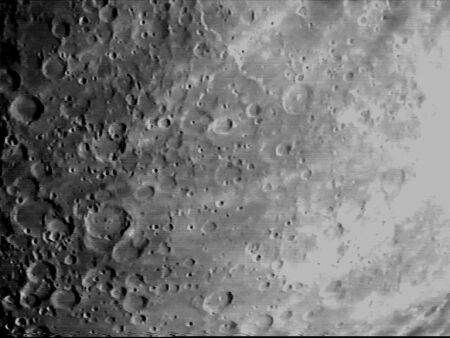
Photograph of the moon through a Sony digicam
through Orion 4.5 inch reflector telescope. Note the irregularity of the left outer rim of the moon. These are lunar mountains or margins of craters pockmarking the lunar surface.


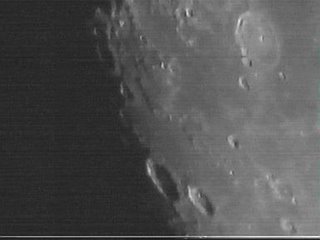
This is a close up of the moon using a high power lens on the telescope.

Wednesday, October 15, 2008

Pinhole glasses- a review:


Review of pinhole glasses:
Pinhole glasses are now a viable alternative to regular spectacles using lenses. These consist of a metal frame supporting plastic lenses with multiple fine perforations, drilled using precision lasers. The advantage of pinhole glasses is that they allow only coherent and direct light rays to enter the eye, thus improving vision and reducing eye stress.
The fine pinholes on the surface of the plastic lenses of the pinhole glasses act to reduce the aperture of the eye's pupil, thus conducting a very narrow beam of light through to the eye lens. This narrow beam causes less blurring of the image formed on the retina, thus resulting in improved vision. Find out more about how pinhole glasses work here.
Many users of this novel technology (pinhole glasses) have reported better vision and less eye strain on prolonged use. Another major advantage is that one pair of glasses suits all conditions, be it reading book or watching distant objects. These glasses are also lightweight and weigh about the same as other spectacles. These are sturdy and durable. Pinhole glasses are resistant to scratches and do no break. Are you worried about whether these will suit you..no worry again.. these are available in variety of shapes and are stylish, following current trends.
What is the cost? These glasses are available for US $ 19.99 At this price these modern glasses are a viable alternative to expensive conventional spectacles which can cost many times more. Did you know that ophthalmologists also use pin hole lenses whilst examining the patient’s eyes? Many users have found that pinhole glasses are less stressful than using multifocal or varifocal glasses. The pinhole lenses also cause apparent brightening of dimly lit objects, especially during night time. Thus one can easily see better in the night.

To order visit: Pinhole glasses

(Note: this is only a preview of pinhole glasses. We donot take reponsibility for the use and purchase of the above mentioned items).

Wednesday, February 20, 2008

Moon yesterday night:


Jamie is a budding astronomer.


Some snaps of the full moon taken yesterday night 8PM
from my roof top in Cochin. My son, Jamie assisted me.


Tuesday, December 11, 2007

The horsehead nebula


This is a nice snap of the horsehead nebula in Orion. The horsehead is the small, dark nebula below the red part of the cloud. Astrophotograph by Dr. Suresh Mohan, Chennai.

Saturday, April 21, 2007

An eagle in the night sky- the eagle nebula:


A snap of the eage nebula by Dr. Suresh Mohan, Chennai, India. It does look like an eagle...

Thursday, March 15, 2007

The trifid nebula:


This astrophotograph by Dr. Suresh Mohan reveals yet again the beauty of the night sky. The trifid nebula or M20 is located in the constellation Sagittarius. The glowing red gas cloud is divided into three parts by dark dust lanes.

Friday, February 23, 2007

February astrophotos:


Have a look at this snap of a spiral Galaxy M51 by
Dr. Suresh Mohan, Chennai.

And mighty Saturn this month:

Wednesday, November 01, 2006

Try a great lotto game

Click Here!

More pictures from amateur astronomers:


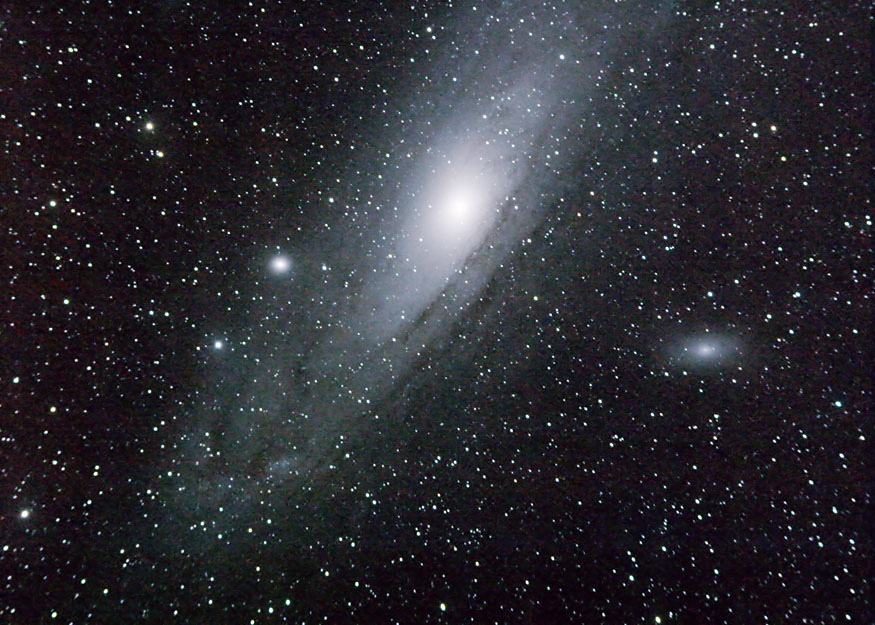
These pictures of deep space objects (DSOs) are taken by amateur astronomer Ginger Mayfield from USA. The picture at left is that of the great Andromeda galaxy. Improvements in imaging equipment (digital cameras and telescopes) means that anyone with that spark of curiosity patience and perseverance can take pictures like these from terra firma itself. You can see more at her website:
http://www.gmayfield.com/


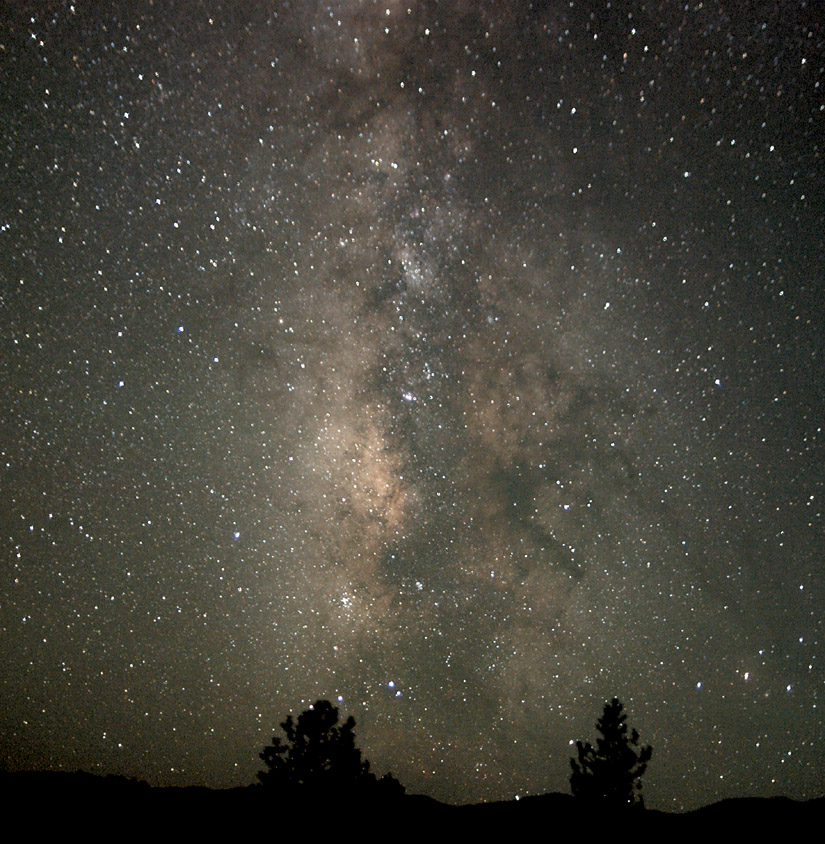
The picture at left (click the pic to view full size) shows an edge -on view of our own galaxy, the Milky Way. Both galaxies are what are called Spiral Galaxies. These have a dense central core of trillions of stars (and maybe black holes) and spiral arms radiating away.


Wednesday, September 20, 2006

My pictures of the night sky:


A picture of Saturn, the ringed planet from my roof top: (above)


Astronomy is not an easy hobby. It requires patience and persistence. Braving mosquitoes, I took these pictures of the moon and Saturn from my rooftop, using a 4.5 inch reflector hooked to a digital camera.
<<>


Friday, July 28, 2006

In case you weren't aware


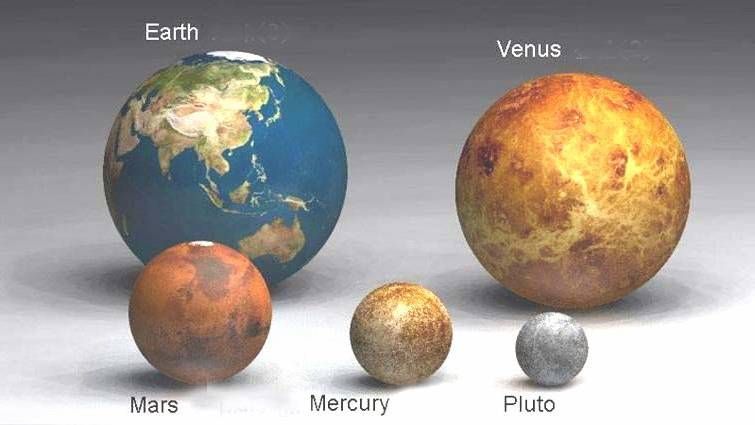
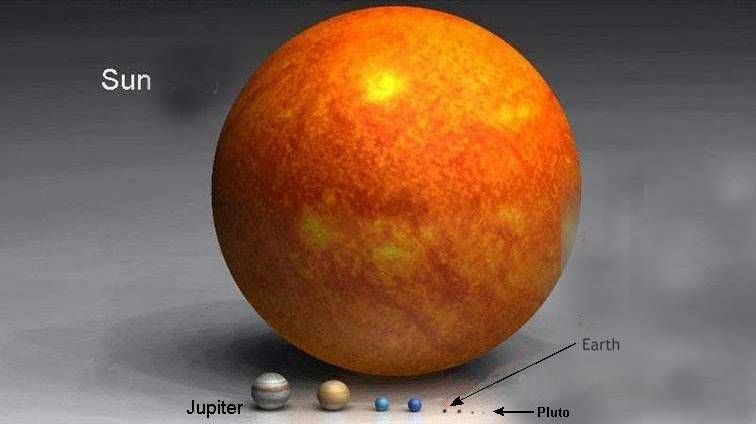
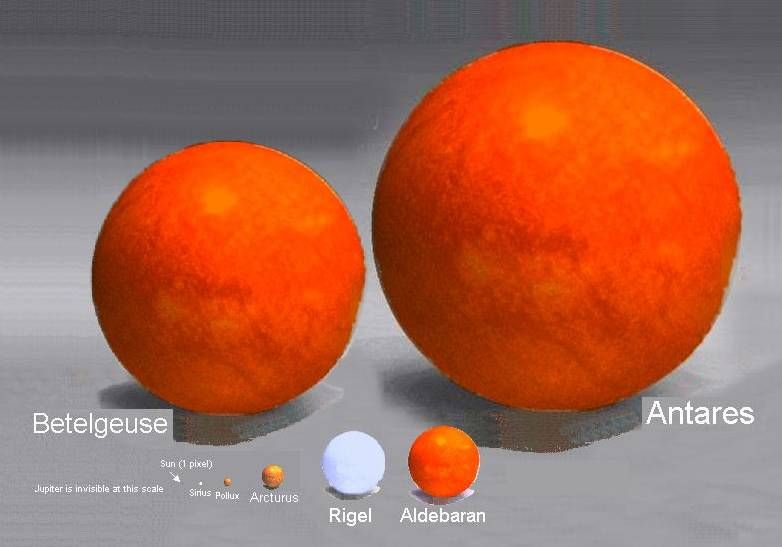
Just go through these pictures. You'll get an instant idea of the relative sizes of the planets and our solar system


.


Friday, June 30, 2006

THE WONDERS OF THE NIGHT SKY


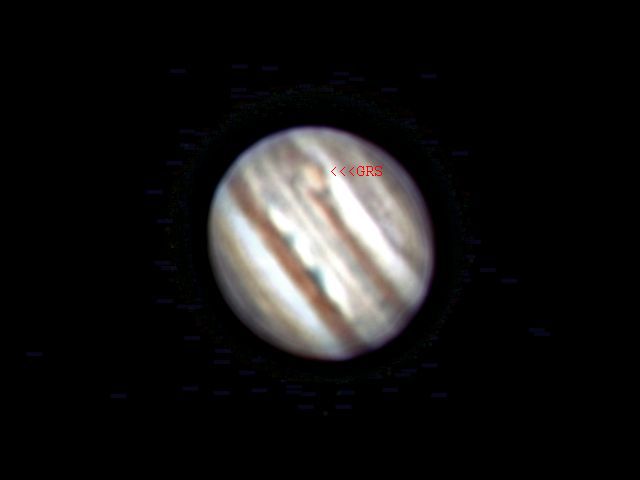
Jupiter is the giant among the planets and also very well visible from earth.
See the thick cloud bands across its surface and the great red spot (GRS), a perpetual storm on its
surface. The GRS is 3 times larger than the earth.

Photo courtesy, Dr. Suresh Mohan, Tamil Nadu.

ASTRONOMY AS A HOBBY


Watching the night sky is not exactly the common man's idea of a hobby. But if you look at what
is waiting in the dark depths of space, you might jolly well have a different outlook.
Have a look at some of the splendid photographs captured by budding astro-enthusiasts the world over..
and you might never be the same...
You could always watch the night sky with the naked eye and yet be left spellbound.
But there is no limit to what you can see with the aid of a binocular or a good telescope.
If, in addition to a telescope, you have a reasonably good digital camera, you could take pictures
(astrophotographs) of objects as faint as the nebulae or distant galaxies.
My good friend Dr.Suresh Mohan from Tamil Nadu has done just that and the results... well
.. I leave it to you judge.. I call them spectacular.
Observe M51 (also called the Whirlpool galaxy):
This is a spiral galaxy appx. 37 million light years from earth. A smaller galaxy is seen near the main spiral galaxy. (see picture above).
Or Look at the picture below:
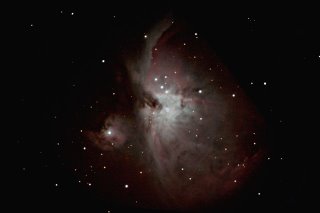
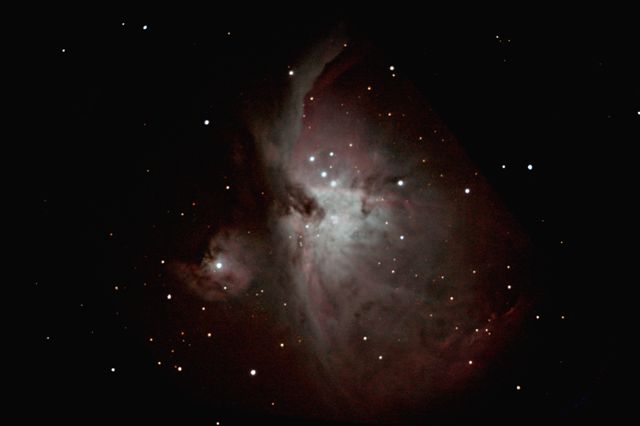
It shows M42 or the Great Nebula in Orion...The fuzzy cloud, glowing around the central stars
is a cloud of burning gas. It is the remnant of a star that exploded (supernova) ages ago.
The amazing thing about these photos is the amount of detail visible from earth, through
a good digital camera.


Gumgum