This is a nice snap of the horsehead nebula in Orion. The horsehead is the small, dark nebula below the red part of the cloud. Astrophotograph by Dr. Suresh Mohan, Chennai.
This astrophotograph by Dr. Suresh Mohan reveals yet again the beauty of the night sky. The trifid nebula or M20 is located in the constellation Sagittarius. The glowing red gas cloud is divided into three parts by dark dust lanes.
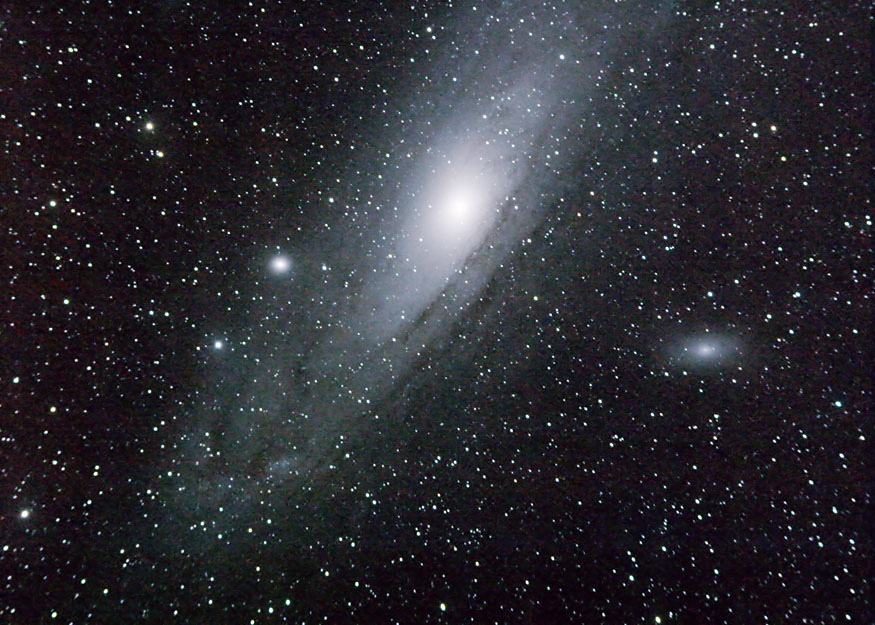
These pictures of deep space objects (DSOs) are taken by amateur astronomer Ginger Mayfield from USA. The picture at left is that of the great Andromeda galaxy. Improvements in imaging equipment (digital cameras and telescopes) means that anyone with that spark of curiosity patience and perseverance can take pictures like these from terra firma itself. You can see more at her website: http://www.gmayfield.com/
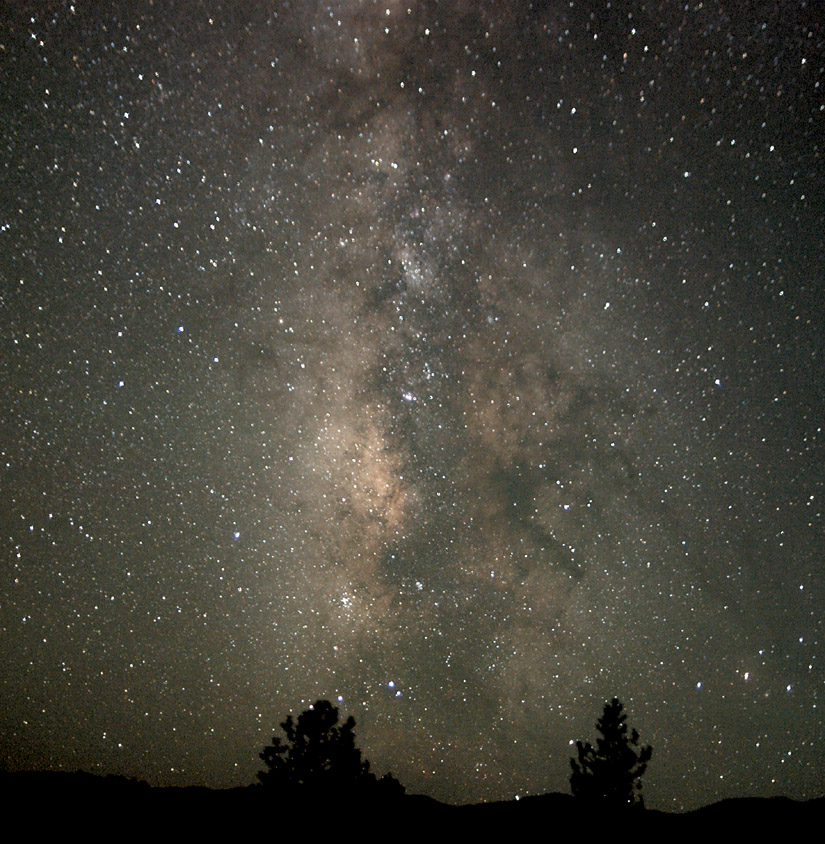
The picture at left (click the pic to view full size) shows an edge -on view of our own galaxy, the Milky Way. Both galaxies are what are called Spiral Galaxies. These have a dense central core of trillions of stars (and maybe black holes) and spiral arms radiating away.
A picture of Saturn, the ringed planet from my roof top: (above)
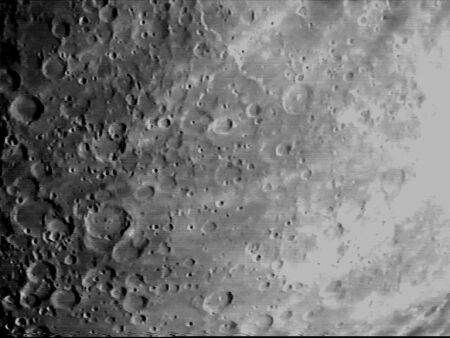
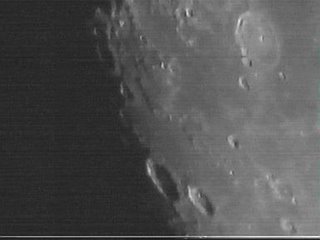
Astronomy is not an easy hobby. It requires patience and persistence. Braving mosquitoes, I took these pictures of the moon and Saturn from my rooftop, using a 4.5 inch reflector hooked to a digital camera. <<>
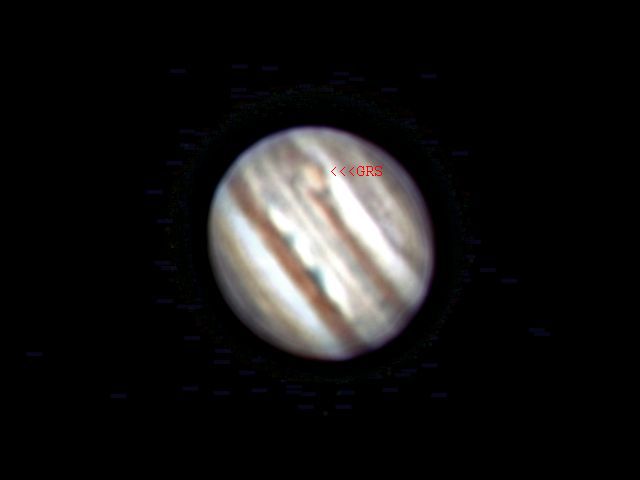
Jupiter is the giant among the planets and also very well visible from earth. See the thick cloud bands across its surface and the great red spot (GRS), a perpetual storm on its surface. The GRS is 3 times larger than the earth.
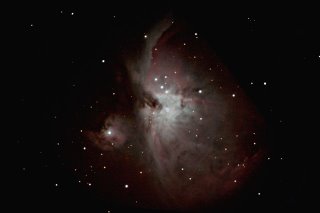
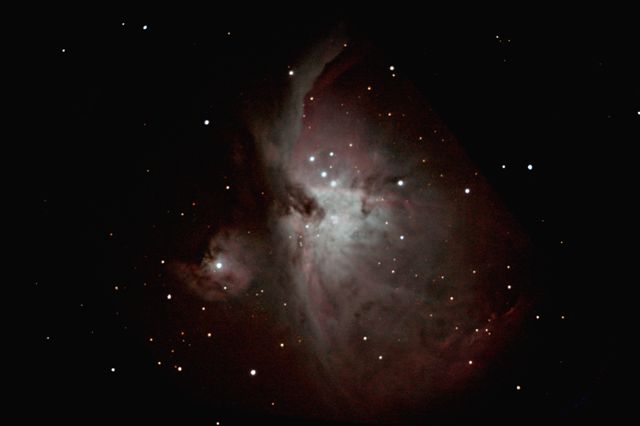
Watching the night sky is not exactly the common man's idea of a hobby. But if you look at what is waiting in the dark depths of space, you might jolly well have a different outlook. Have a look at some of the splendid photographs captured by budding astro-enthusiasts the world over.. and you might never be the same... You could always watch the night sky with the naked eye and yet be left spellbound. But there is no limit to what you can see with the aid of a binocular or a good telescope. If, in addition to a telescope, you have a reasonably good digital camera, you could take pictures (astrophotographs) of objects as faint as the nebulae or distant galaxies. My good friend Dr.Suresh Mohan from Tamil Nadu has done just that and the results... well .. I leave it to you judge.. I call them spectacular. Observe M51 (also called the Whirlpool galaxy): This is a spiral galaxy appx. 37 million light years from earth. A smaller galaxy is seen near the main spiral galaxy. (see picture above). Or Look at the picture below: It shows M42 or the Great Nebula in Orion...The fuzzy cloud, glowing around the central stars is a cloud of burning gas. It is the remnant of a star that exploded (supernova) ages ago. The amazing thing about these photos is the amount of detail visible from earth, through a good digital camera.